
Why SDS Certification Matters in CO2 Cylinders
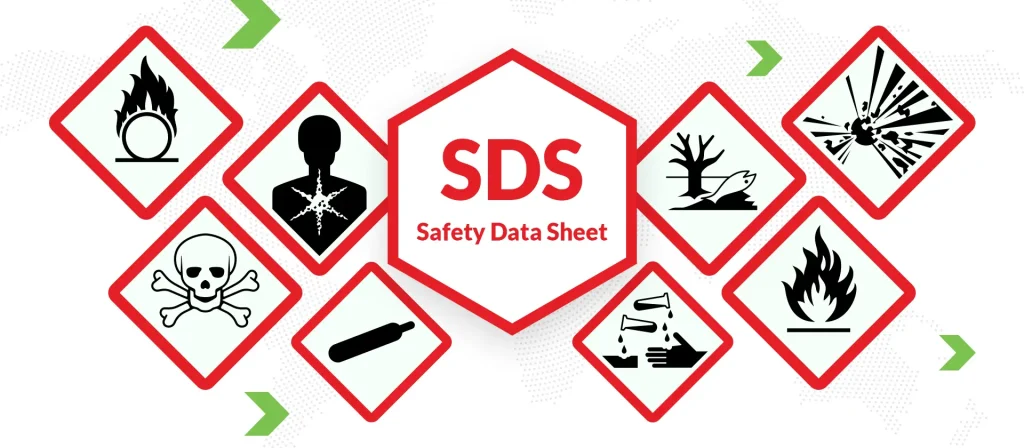
CO₂ cylinders are high-pressure products, so SDS certification matters because it verifies the gas’s hazard profile, purity-related risks, handling requirements, and emergency measures in a standardized document that regulators, shippers, and end users rely on. In practice, an SDS is often the difference between a smooth export/receiving process and a shipment delay, safety nonconformance, or rejected supply qualification.
What SDS Certification Is, What It Means, and Why It Matters
An SDS (Safety Data Sheet) is a regulated safety document that describes a substance’s hazards, composition, safe handling, storage, transport classification, and first-aid/firefighting procedures. For CO₂ cylinders, the SDS applies to carbon dioxide gas (UN 1013, Class 2.2, non-flammable, non-toxic gas) and specifies the safety controls needed through the entire supply chain.
What it means for CO2 cylinders
Even though CO₂ is widely used and not flammable, it is a high-risk asphyxiant at elevated concentrations and can cause serious harm in confined spaces. An SDS clarifies:
- Health hazards (asphyxiation risk, exposure symptoms)
- Safe ventilation requirements
- Storage and temperature controls
- Transport compliance (UN number, hazard class, labeling)
- Emergency response protocols
For B2B buyers, an SDS is also a qualification document. Many industrial and food-adjacent customers will not onboard a CO₂ supplier without a valid, current SDS.
Why it matters beyond paperwork
An SDS is not “nice to have.” It’s a safety and compliance foundation that supports:
- Workplace safety programs
- International shipping documentation
- Customer audits
- Insurance and liability controls
- Regulatory alignment
Where SDS Fits in CO2 Compliance
SDS works alongside other standards that govern the container and the quality system.
| Element | What it covers | Applies to | Why it’s required |
|---|---|---|---|
| SDS | The gas hazard, handling, emergency response | CO₂ substance | Ensures safe use, storage, transport |
| ISO quality systems (e.g., ISO 9001) | Production and process control | Manufacturer | Demonstrates consistent manufacturing governance |
| Cylinder design/testing standards | Mechanical safety of the pressure vessel | Cylinder | Ensures safe containment under pressure |
| DOT/UN transport rules | Legal transport requirements | Gas + cylinder + labeling | Prevents shipment refusal and legal exposure |
An SDS does not replace cylinder compliance standards; it complements them by documenting the substance risk and the controls tied to that risk.
What a CO2 SDS Typically Confirms
The standard SDS structure ensures consistent interpretation across countries and industries.
| SDS Section (typical) | What it clarifies for CO₂ users |
|---|---|
| Identification | Product name, supplier, recommended use |
| Hazard identification | Asphyxiation risk, exposure routes, signal words |
| Composition | CO₂ purity statement and chemical identity |
| First-aid measures | Actions for inhalation exposure |
| Firefighting measures | Behavior of CO₂ under fire conditions |
| Accidental release | Ventilation and evacuation guidance |
| Handling & storage | Temperature limits, dry/ventilated areas |
| Exposure controls | PPE guidance and monitoring expectations |
| Transport info | UN 1013, Class 2.2, labeling |
| Regulatory info | Alignment with relevant frameworks |
Real Application Examples Across Key Markets
Beverage carbonation
An SDS supports:
- Supplier qualification files
- Hazard communication obligations at bottling plants
- Facility safety training
It also reinforces controls to avoid unsafe CO₂ accumulation in:
- Cold rooms
- Restaurant storage areas
- Draft system service spaces
Airgun and outdoor sports
An SDS helps:
- Retailers meet safety documentation expectations
- Distributors comply with transport and warehouse protocols
- End-user safety messaging remain accurate and standardized
Marine safety and inflation systems
For life jackets, rafts, and buoyancy aids, the risk profile emphasizes:
- Reliability under harsh storage conditions
- Safe handling onboard
- Clear emergency and transport classification
SDS documentation is commonly requested by:
- Marine equipment brands
- Coast-guard-adjacent suppliers
- Export distributors
Food processing
For food plants, the SDS supports:
- HACCP-adjacent hazard awareness
- Procurement compliance
- Worker safety programs
While food-grade standards focus on purity and contamination controls, SDS ensures the gas hazard controls are documented clearly for auditors and safety officers.
Industrial gas systems
In industrial environments, CO₂ is used in:
- Shielding
- Process control
- Fire-suppression-related applications
The SDS becomes essential for:
- Plant EHS compliance
- Confined space protocols
- Emergency response planning
For a full overview of sector requirements and typical compliance documentation by industry, visit Markets We Serve.
What Can Go Wrong Without SDS
| Scenario | Risk without valid SDS | Operational impact |
|---|---|---|
| Export shipment | Incomplete hazard documentation | Delay, refusal, extra inspection |
| Customer audit | Missing supplier safety file | Supplier disqualification |
| Warehouse incident | Poor hazard communication | Higher liability exposure |
| Training gaps | Inconsistent safety messaging | Increased accident probability |
SDS and Purity: What Buyers Should Understand
An SDS is primarily a safety document, not a full certificate of analysis. However, professional CO₂ suppliers align SDS statements with:
- Batch testing
- Purification controls
- Traceable production records
In B2B procurement, an SDS often sits alongside:
- COA (Certificate of Analysis)
- ISO documentation
- Transport compliance records
This combination provides a complete picture of substance safety + manufacturing control + logistics compliance.
Standards and Certifications Relevant to CO2 Cylinders
A responsible CO₂ cylinder supply program typically integrates:
- SDS for CO₂ gas hazard management
- ISO-aligned quality systems for process reliability
- UN transport classification (UN 1013, Class 2.2)
- Market-specific cylinder rules (e.g., region-specific approvals and test regimes)
For international buyers, this layered approach reduces both safety and procurement risk.
Populargas Approach to SDS-Controlled Supply
At Populargas Industrial Technology Co., Ltd., we treat SDS documentation as part of a larger safety system that connects gas purification, cylinder integrity, labeling discipline, and export-readiness. Our compliance documentation supports responsible use across airgun, beverage, food processing, marine safety, and industrial channels.
Key Takeaways
SDS certification is a standardized safety requirement for CO₂ that supports legal transport, workplace safety, and customer qualification.
It documents the real hazards of CO₂, especially asphyxiation risk in confined or poorly ventilated environments.
SDS complements ISO quality systems and cylinder compliance standards rather than replacing them.
Beverage, airgun, marine safety, food processing, and industrial buyers use SDS as a core supplier onboarding document.
A current, accurate SDS reduces shipment delays, audit failures, and liability exposure.
If you need an SDS package, COA support, or export-ready documentation for your region, Contact Technical Sales.
FAQs


